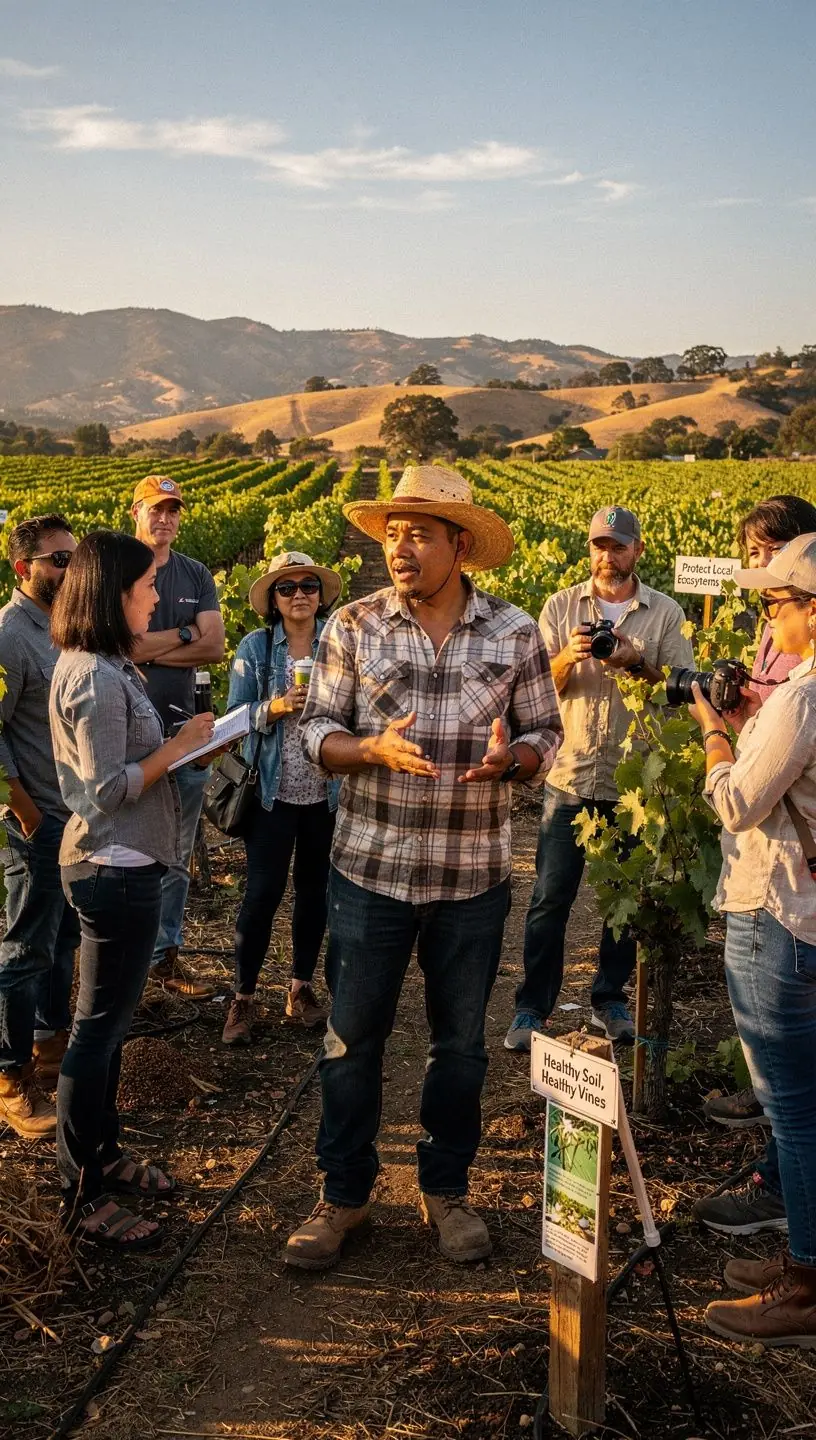
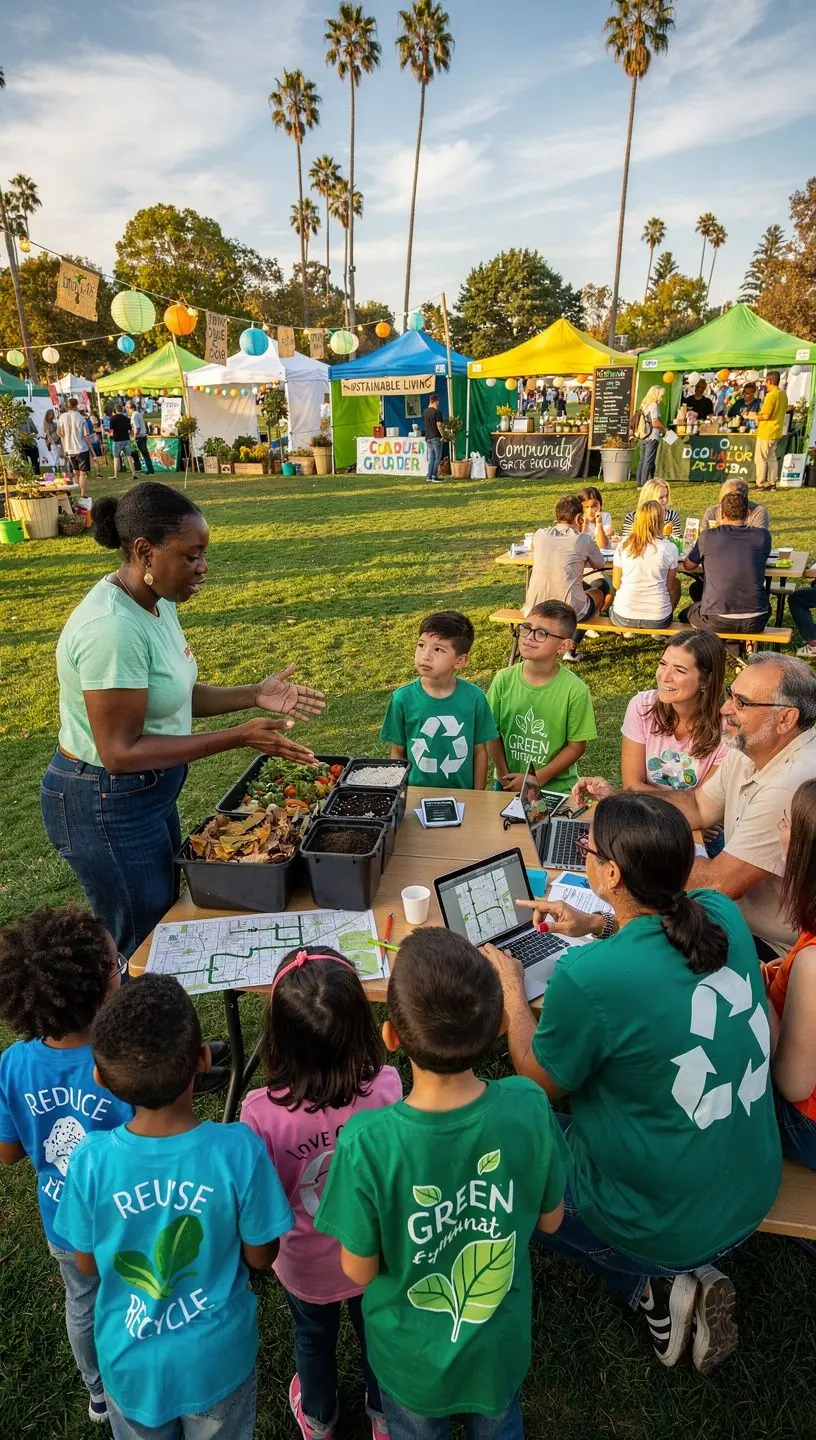
Exploring Collaborative Mapping for Community Resilience
In an era where communities face numerous challenges, from climate change to social unrest, collaborative mapping emerges as a vital tool for building resilience. This article delves into how collaborative mapping can strengthen local ecosystems, facilitate community interactions, and ultimately foster a more resilient society.
Understanding the Basics of Collaborative Mapping
Collaborative mapping is a participatory approach that allows community members to contribute to the mapping process actively. According to experts in community development, this method typically involves collecting spatial data from various stakeholders, including residents, local organizations, and businesses. The resulting maps can highlight resources, vulnerabilities, and opportunities within a community.
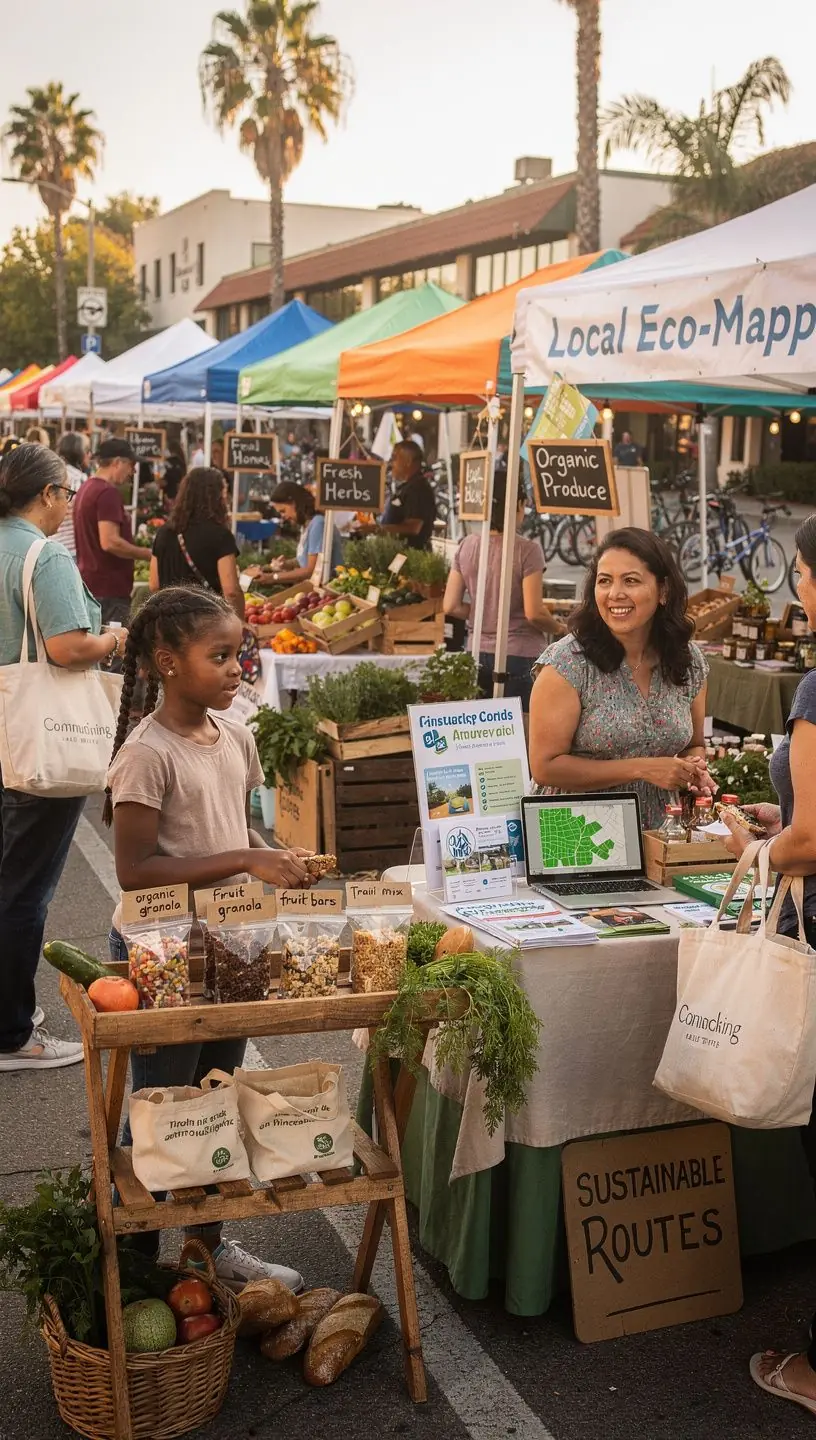
"Participatory mapping can empower communities to visualize their assets and challenges, providing a foundation for collaborative problem-solving."
How Collaborative Mapping Works
The collaborative mapping process typically follows several steps:
- Engagement: Community members are invited to share their insights and knowledge about local resources. This often involves workshops and online platforms to ensure inclusivity.
- Data Collection: Participants contribute data that may include environmental features, community services, and infrastructure. This data can be collected through surveys, interviews, or existing resources.
- Mapping: Using GIS tools and software, the data is visualized to create maps that represent the community’s landscape accurately. This can take several weeks, depending on the project's scope.
- Analysis and Action Planning: The created maps are analyzed to identify areas for improvement and to formulate action plans. Community members are encouraged to contribute to this phase as well.
The Role of Technology in Collaborative Mapping
Many tools facilitate collaborative mapping, including platforms like OpenStreetMap and specialized GIS software. Research indicates that utilizing technology enhances participation by making mapping accessible and engaging. Many users report that intuitive interfaces and mobile applications help streamline data collection, especially in remote areas.
Benefits for Community Resilience
Collaborative mapping can significantly contribute to community resilience in various ways:
- Empowerment: By involving locals in the mapping process, communities can make informed decisions that reflect their unique needs and values.
- Increased Awareness: Maps created through collaboration can highlight hazards, resources, and services, raising awareness of local issues and opportunities.
- Strengthened Social Ties: The process fosters dialogue among community members, building trust and cooperation that can be vital during crises.
Acknowledging Limitations
While collaborative mapping offers many benefits, it is crucial to acknowledge some limitations. The process typically requires a commitment of time and effort from participants, which may not always be feasible for everyone. Furthermore, the effectiveness of collaborative mapping can vary based on the existing community dynamics and available resources. It often works best when there is prior knowledge of mapping techniques and access to technology.
Conclusion
Collaborative mapping is a promising approach to enhancing community resilience in Canada. By engaging local stakeholders, communities can create meaningful maps that inform decision-making and foster a sense of collective ownership. While challenges exist, the benefits—such as increased empowerment, awareness, and social ties—make it a valuable tool for building resilient local ecosystems. As communities continue to adapt to changing circumstances, collaborative mapping serves as a step towards a more engaged and prepared society.