Practical Guide to Citizen Science and Local Ecosystems
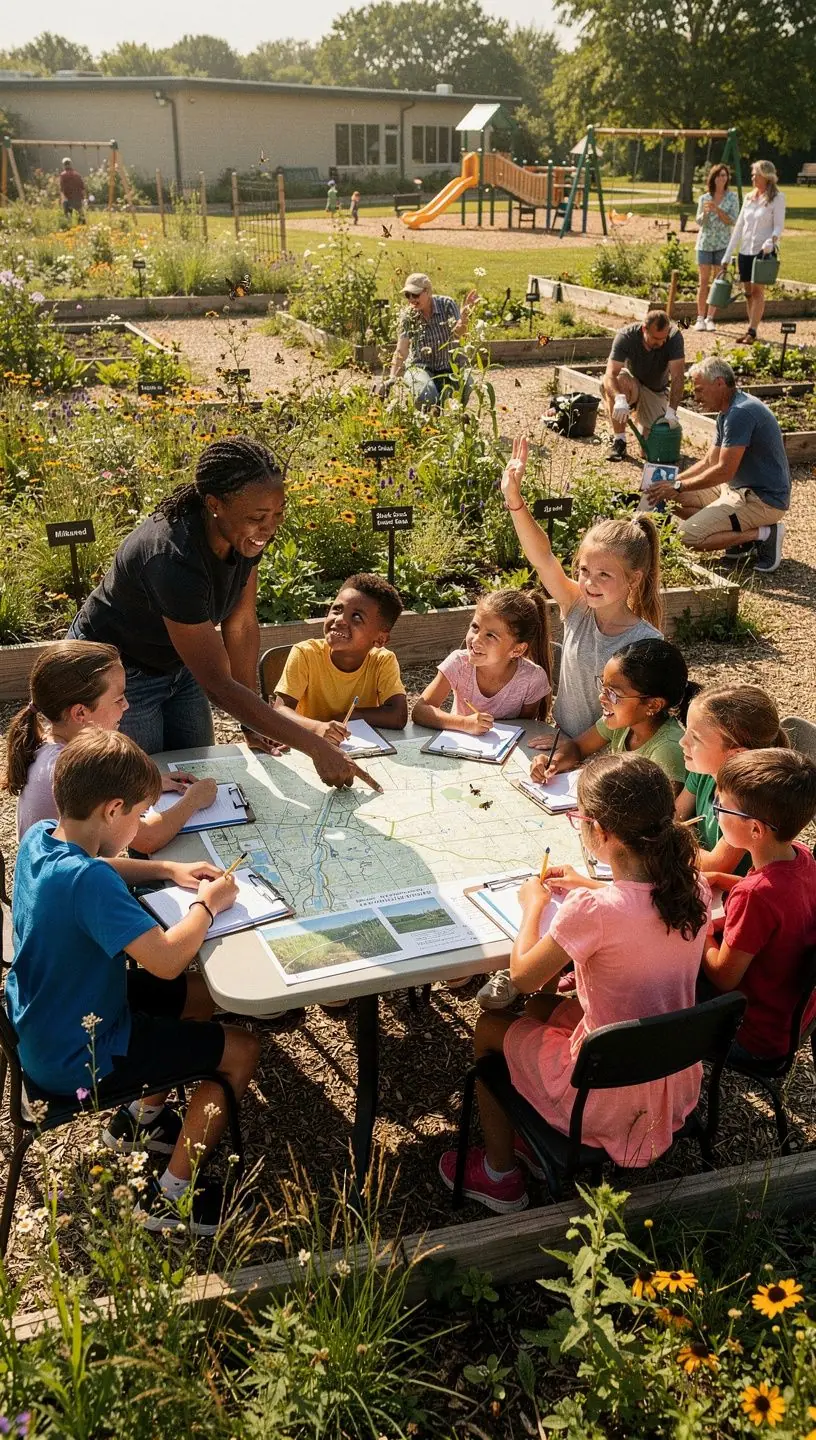
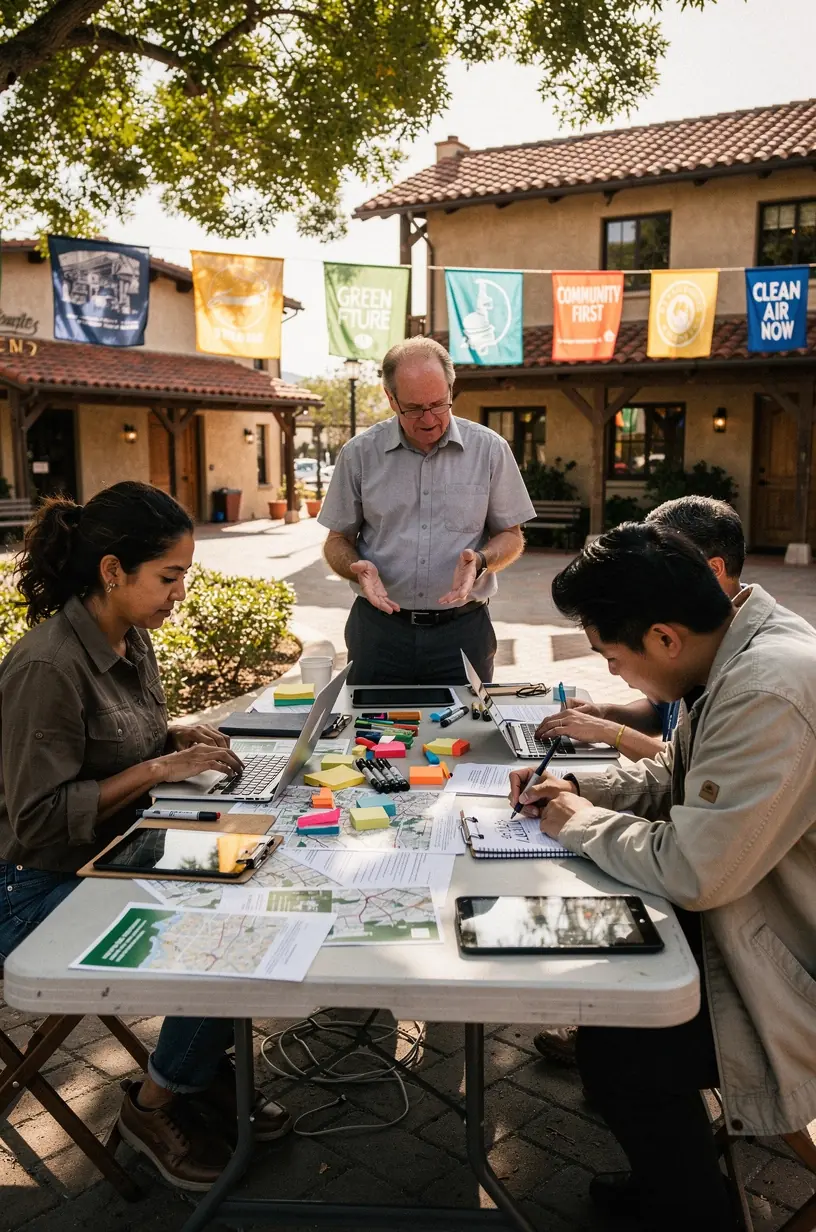
Citizen science plays a crucial role in understanding and preserving local ecosystems. By engaging everyday citizens in the scientific process, communities can gather valuable data and foster a deeper connection with their environment. This guide will explore how individuals can contribute to local ecosystems through citizen science and what resources are available to facilitate their involvement.
Understanding Citizen Science
Citizen science is the practice of involving non-professional scientists in the collection and analysis of data. This approach leverages the skills and observations of local community members to advance scientific research. According to a report by the National Academies of Sciences, engaging citizens in scientific projects can increase data collection efforts significantly, often leading to more comprehensive datasets.

"Citizen science initiatives can generate data that is not only rich but also relevant to local conditions and needs." - Dr. Jane Goodall, renowned primatologist.
Why Participate in Citizen Science?
Participating in citizen science can have several benefits, including:
- Educational Opportunities: Engaging with ongoing research provides an excellent platform for learning about local ecosystems and biodiversity.
- Community Engagement: These projects often foster collaboration and a sense of community among participants who share similar interests.
- Contributing to Real-World Solutions: Data collected through citizen science can help inform local conservation efforts and policy decisions.
Getting Started with Citizen Science
Here are some practical steps to get involved in citizen science:
- Identify Local Projects: Look for local citizen science initiatives in your area. Websites like CitSci.org and iNaturalist provide platforms to search for ongoing projects specifically in Canada.
- Choose a Focus Area: Determine which aspects of the ecosystem interest you the most, whether it be bird watching, plant identification, or water quality monitoring. Focused efforts often yield better results.
- Participate Regularly: Many projects benefit from consistent participation. Setting aside time each week can lead to meaningful contributions and better understanding.
- Utilize Technology: Take advantage of mobile apps and online platforms designed to facilitate data collection. These tools often provide guidance on how to collect and submit data effectively.
Conclusion
Citizen science offers an exciting way to engage with local ecosystems while contributing to scientific knowledge. By participating in these initiatives, you not only enhance your understanding of your environment but also play a vital role in local conservation efforts. Remember, the impact of your contribution may take time to manifest, but the cumulative effect of citizen participation can lead to robust scientific insights. Start exploring local projects today and be part of the solution!
Learn More