Mapping Biodiversity: Tools for Local Environmental Insights
Understanding local biodiversity is crucial for environmental conservation and community health. This article explores tools and services that can help map biodiversity effectively, providing valuable insights for local communities across Canada.
Understanding the Importance of Biodiversity Mapping
Biodiversity mapping refers to the process of collecting and analyzing data about various species and ecosystems in a specific area. This practice is essential because it helps to monitor environmental health, inform conservation strategies, and engage local communities in sustainability efforts. According to research conducted by the Convention on Biological Diversity, effective biodiversity mapping can significantly impact conservation outcomes by providing targeted interventions where they are most needed.
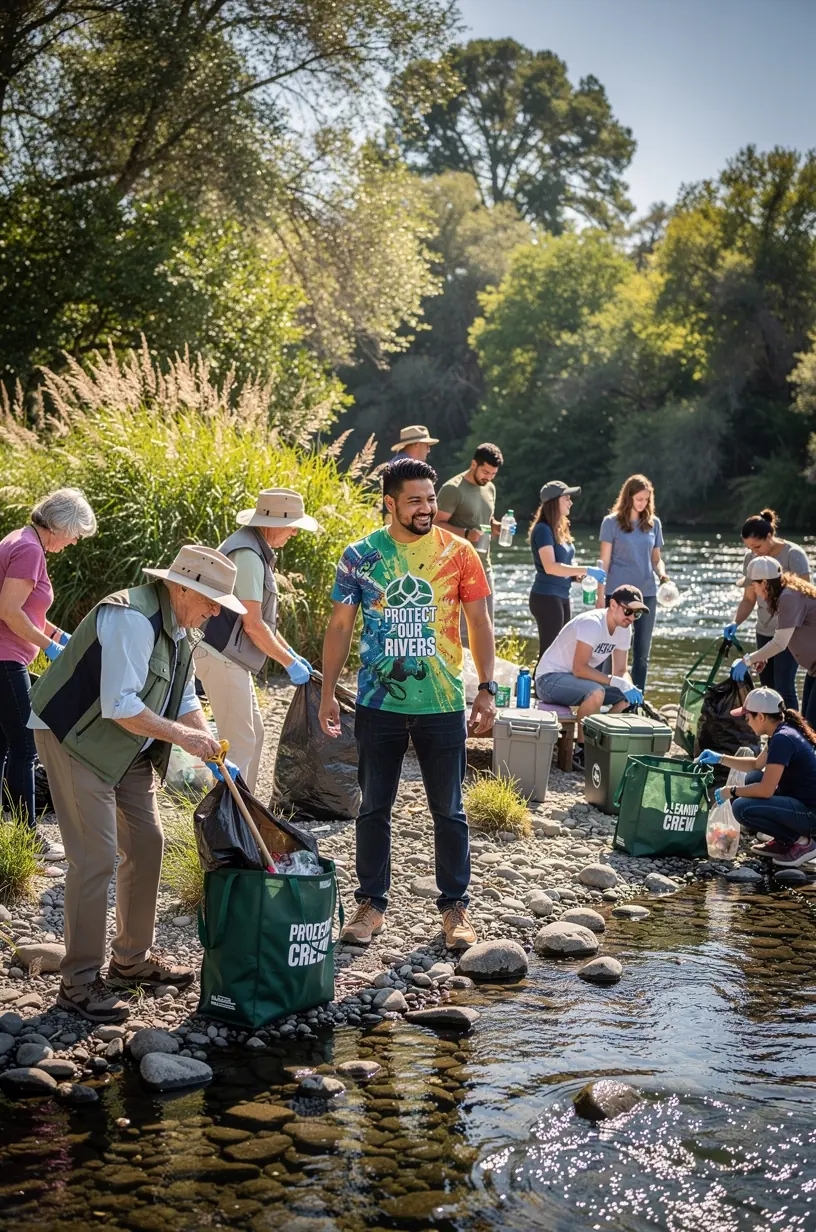
"Biodiversity data not only helps preserve ecosystems but also supports local economies and cultural practices."
Key Tools for Mapping Biodiversity
There are several tools available that can assist individuals and organizations in mapping biodiversity. Here are some of the most effective:
- Geographic Information Systems (GIS): GIS technology allows users to visualize and analyze geographical data. It is widely used in environmental science to overlay biodiversity data with other critical layers such as land use and climate factors. Studies indicate that GIS can improve decision-making by providing spatial context to the data.
- Citizen Science Platforms: Tools like iNaturalist and eBird facilitate contributions from local citizens, allowing them to document species sightings. Research has shown that citizen science can enhance biodiversity data collection, often doubling the amount of data available compared to traditional methods.
- Remote Sensing Technology: Utilizing satellite imagery and drone technology can provide insights into habitat changes over time. Experts recommend integrating remote sensing with ground-level data for a more comprehensive understanding of local ecosystems.
Engaging the Community
Successful biodiversity mapping often involves active participation from the community. Here are some strategies to foster engagement:
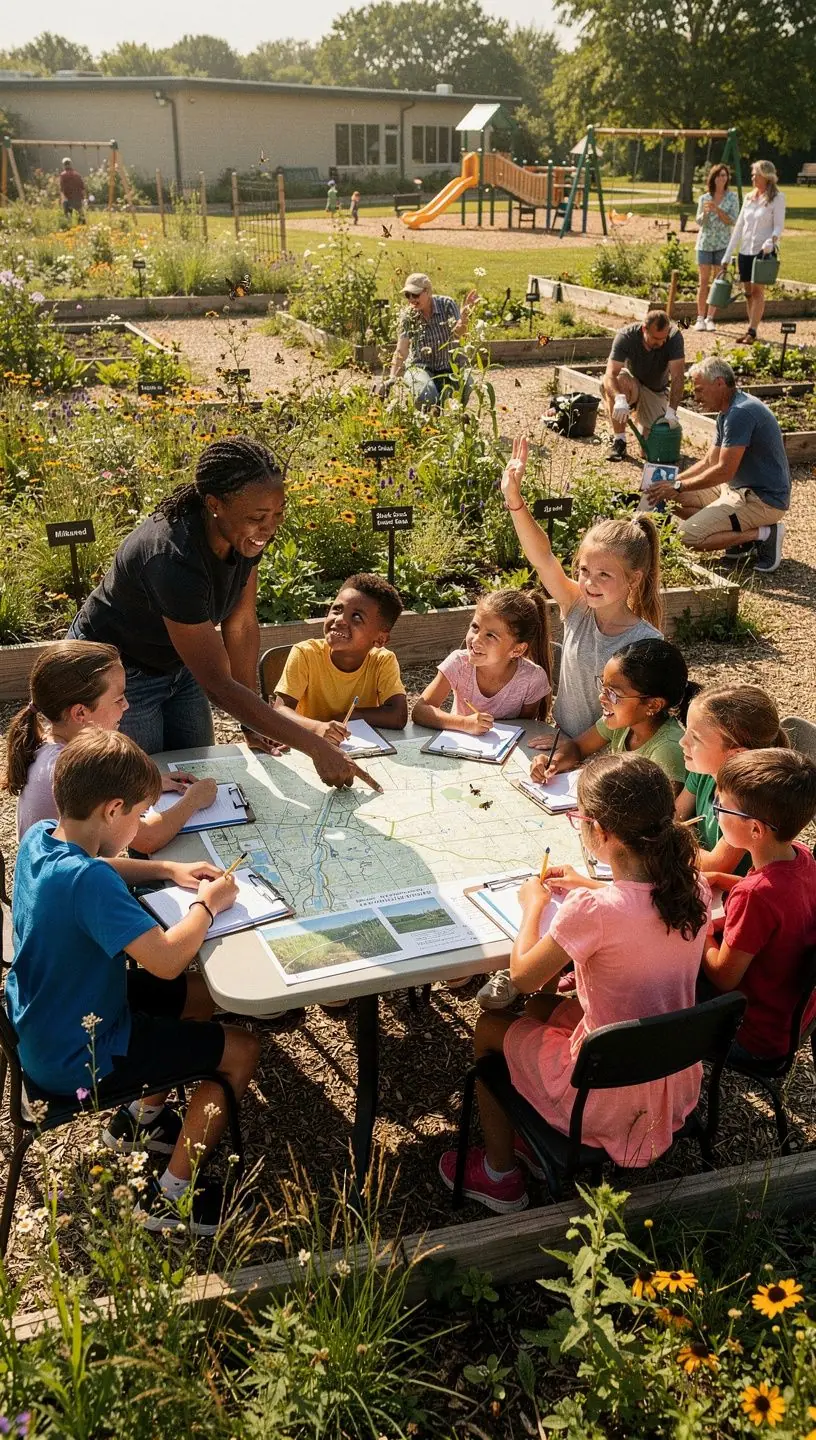
- Workshops and Training: Hosting educational workshops can help community members understand the importance of biodiversity and how they can contribute. This typically requires several hours over a few days to ensure comprehensive learning.
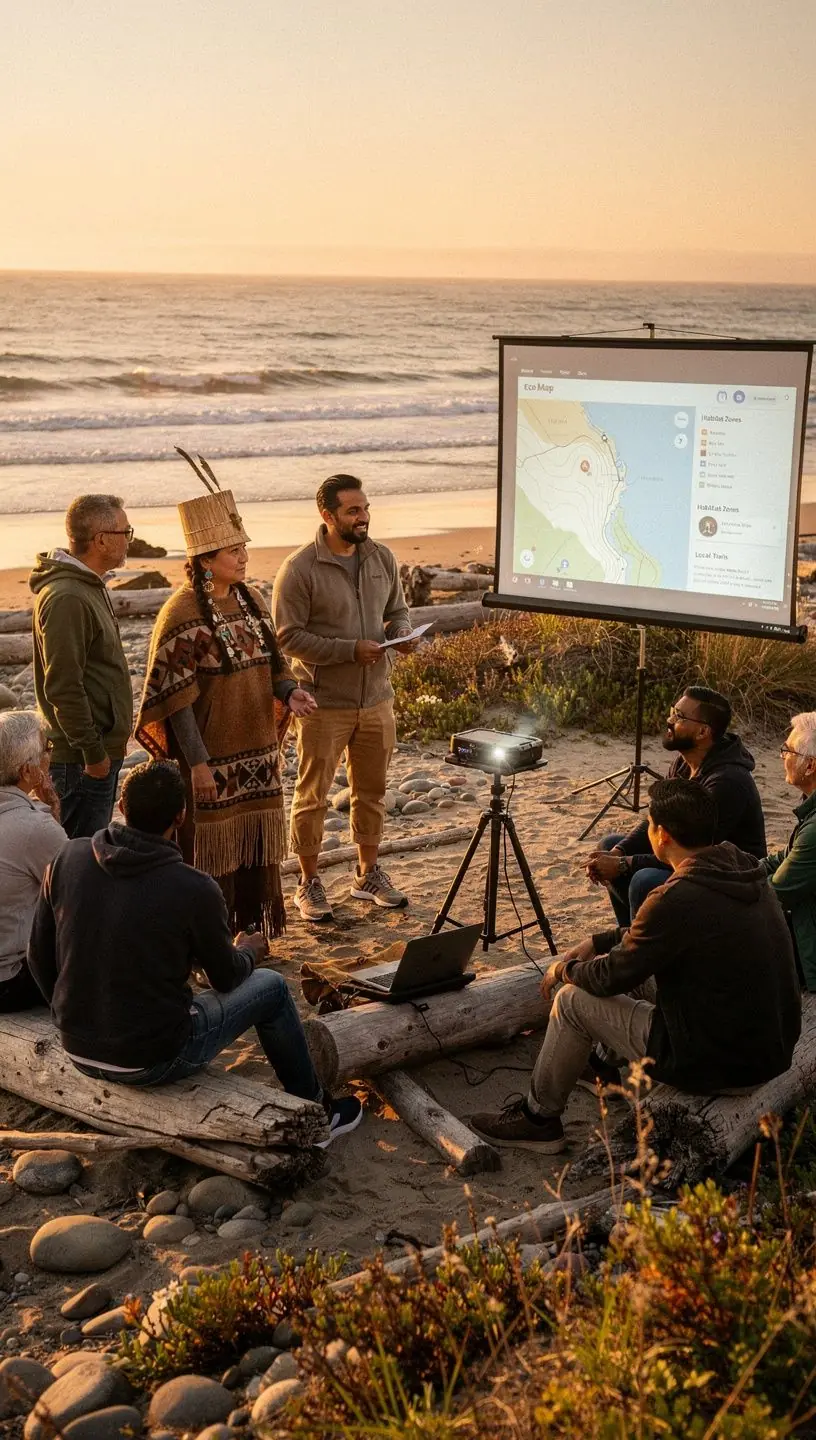
- Participatory Mapping: Encourage locals to share their knowledge about local flora and fauna. This method works best when community members feel empowered to contribute their insights and experiences.
- Regular Updates and Feedback: Keeping the community informed on the findings of biodiversity mapping efforts fosters transparency and encourages ongoing involvement. Many users report that regular communication enhances their commitment to conservation efforts.
Challenges and Limitations
While biodiversity mapping can offer significant benefits, it is important to acknowledge certain limitations:
- Data Collection Time: Depending on the methods used, biodiversity mapping can typically take several weeks to months. For example, establishing a comprehensive GIS database may require dedicated effort over time.
- Expertise Requirement: Certain tools, such as GIS, may have a steep learning curve. Organizations should prepare for training sessions or seek expert assistance where necessary.
- Data Gaps: In some cases, local knowledge may not be adequately captured, particularly in underrepresented areas. It is critical to identify and address these gaps to ensure effective mapping.
Conclusion
Mapping biodiversity is a powerful tool for local communities aiming to enhance environmental awareness and conservation efforts. By leveraging technology, engaging community members, and acknowledging the challenges of this work, local ecosystems can benefit immensely. As you explore these tools and strategies, setting realistic expectations and being prepared for the commitment required will be essential for achieving meaningful insights into your local environment.
Learn More